The Experience of Being Sober Over 50
EPISODE #351
I'm so happy to have Donna Ferris back on the podcast.
Donna joined me years ago to talk about her first book and memoir, We've Got to Stop Meeting Like This, and today we're doing something a little different. Instead of an interview, we sat down together to talk about what we each expected before getting sober and what we've actually experienced on the other side.
You'll hear a bit more about Donna's story in this episode, and I'm linking her first episode in the show notes if you want the full background.
Donna's second book, Bounce Back Stronger: Finding Peace and Purpose No Matter What Happens, is out now. She's also the host of the Bounce Back Stronger podcast and a life coach who focuses on habit change, overcoming loss, writing to heal, and redefining what success looks like.
In this episode, we talk about what we expected before we stopped drinking, and what we experienced after we stopped drinking.
We talk about the difference in how we feel and sleep, our confidence and trust in ourselves, and what we wouldn't be doing today if not for our sobriety.
I thank you for being here and apologize for a bit of sound quality issues.
Sending you a hug!
Inside this episode, you'll hear:
What both of us thought we were giving up when we stopped drinking
The confidence shift that happens when you stop negotiating with yourself about alcohol
How we each replaced the end-of-day drinking ritual
Why Donna recovered “out loud”
The role journaling and treating sobriety like a scientific experiment
How each of us experienced sobriety in the early years to today
Find Donna and her resources here:
Mentioned in this episode:
-
Hey there. Welcome to To 50 and Beyond. I am Lori, and this is where we celebrate aging and living alcohol free. Later in life and today I am so happy to have Donna Ferris back on the podcast. Donna joined me years ago to talk about her first book and memoir. We've gotta stop meeting like this. And today we're doing a little bit of a co-hosting situation.
We sat down to talk with each other about what we expected before getting sober and what we've experienced after getting sober. You'll hear a little bit more about Donna's story. But I'm gonna link that first episode of hers in this episode's description. So if you wanna listen to it, you can. Donna is an author, she's a life coach who focuses on habit change, overcoming loss, writing to heal, and the new meaning of success.
She's the host of the Bounce Back Stronger podcast, and she has authored a new book called Bounce Back, stronger Fighting Peace and Purpose, no matter what happens. It's a great conversation. We dive right in, so let's dive right in and you'll hear it. I appreciate you. Here's the episode.
Hi, this is Donna Ferris of Bounce Back Stronger, and
I am Lori Massicot of To 50 and Beyond.
We are here today to talk. Together in a more of conversation format about our lives after 50 being sober. And just a brief intro for both of us, we noted who we're, but how long have you been sober?
I've been sober since August 11th, 2013. What about you?
It's been since March 1st, 2021.
Just celebrated.
Congratulations.
Oh,
thank. That's fantastic.
It is a really interesting thing and one of the main things that I got out of this, which I never would've thought is how well rested I am as a result of being sober. If there's one thing people ask me, what is the number one thing? And for me, I didn't know how much better I could sleep after not drinking.
What about you? What is your number one?
Oh gosh, the sleep didn't come so easy for me. I'm not that great of a sleeper. I didn't sleep last night, but even if I don't sleep without drinking, I feel so much better and I'm able to be more clearheaded and not as anxious. I just feel better than I did when I stopped drinking at 45.
That's for sure.
Yeah, and the anxiety thing is really interesting too. That's the other one I think. I thought I would be more anxious after. Not drinking because I thought that was what was keeping me from being anxious. But then to discover that I'm so much less anxious and I don't wake up with the scaries and that sugar dump that happens in the mornings after you've been drinking.
Yeah. Donna, tell me because I'm curious, 'cause we talk about the benefits, less anxiety, better sleep. Let's put it into perspective. Your first year, what did you notice in the first hundred days?
I actually took pictures of. That first year and even the first few weeks, like I could see so much difference in my face with the lack of puffiness.
I didn't know how much of that was happening with my face, but the big one was, is the confidence. I had lost confidence in myself that back and forth that you have of, am I gonna drink two glasses of wine? Oh my God, I drank a bottle that. Confidence like spills everywhere into your life. I don't have control over my life.
I don't have a control what I'm doing. I was like really shaming myself, giving up that battle and saying I'm not gonna play there anymore. Made a huge difference in my confidence and what I thought I could take on after that.
Sure. Because you have more trust in yourself and you don't even recognize that.
And one of the greatest benefits, especially after 50, even before then, 'cause I was 45 when I stopped drinking, but. To have that, like now I'm doing something that I've been thinking about doing. I've been putting myself through the wringer about giving up alcohol. I did that for two years. Now I'm doing something that I wanna do, and my first year for sure was up and down.
I. It's so important for women to be able to have that trust with themselves and have that follow through. And yes, accountability outside is great, but holding yourself accountable gives you that confidence.
Yeah, I absolutely agree. I was.
Like you said, up and down, like I really felt like I was out of control of everything in my life and, and I was a wellness person everywhere else in my life, but I still was drinking. That disconnect was really uncomfortable for me, and I don't do well with ambiguity, so to make that step for me, for my wellness, and then to do it early, what's funny is now that I watch people around me.
Through their own health journeys and having to step away from alcohol. It's like, I'm so glad I did it early before I absolutely had to.
What age were you when you stopped drinking?
Just trying to think how old. I think I said I was 57, maybe 56 on the edge of 57, so it was on the later side, and I had been in wellness.
Teaching yoga. Yoga. And I was a yoga therapist from age 51. So I was dealing with that ambiguity in that not feeling great about myself for a long time.
Did you feel like, okay, can I be a hundred percent in this place of wellness and where I'm speaking to other people about it when I'm over here doing this thing?
Mm-hmm.
That doesn't feel aligned to wellness?
Yeah. And now if I look back, it feels like a different life. I was with somebody at work and they were talking. I, you know, about their wine habit, they actually said they have a habit. And, um, it was just really interesting to me. I totally relate to what they said.
I wasn't judging or anything. I just was like, that was so much me. I could hear myself like what kind of wine I was drinking and having the wine cellar and all that stuff. And it just was interesting to look back and say, boy, that was a, it's almost like a different person back then. Yeah.
It is. I didn't have on my bucket list to be a sober person at all.
Like my bingo card did not include this, and I drank for 30 years. So getting to this point now, if I reflect back often, like what would it had been like for the past 12 if I hadn't done that? It would've probably been a lot of the same, but then also worse. I feel like I've given myself another life within my life because my universe was just so centered around it.
My activities, my relationships, my stress relief, everything was, and to come off of that, it wasn't easy for me. And it did take me a while to get to the point where I did have that confidence, because even in the first year I was like, maybe you can go back. Of course, like negotiating with myself, you didn't have that last hurrah.
Or maybe it wasn't that bad.
Yeah,
but I just kept going because I heard a voice the night I stopped drinking. It wasn't planned. It was just, you've had enough. You've had enough for two lifetimes, you're done. And I thought, if I don't follow that and keep reminding myself of why I am doing this, I really just wanted to feel better.
At the point I stopped drinking. But if I go back to drinking again, I don't think I'll ever go back to trying to get sober.
Yeah, I totally get that. I totally get that. Yeah. A lot of people drink at the end of a hard day, and I'd be curious to see what do you do at the end of a hard day now that you don't have this to fall on?
My, my favorite thing is to take a shower, listen to music, take a shower. It's typically between four and five, depending on the day. I always say wash the day off. It's just that it's a ritual. And then I go into, of course, dinner with my husband. We watch something on tv and then I've got my little routine at night that I do for myself.
Yeah. I just know for a fact that at the end of the hard day, if you're drinking alcohol, it's gonna make the next day just as hard, if not harder. It's a good question because I didn't know what to do with myself after I stopped drinking as far as the anxiety and everything. We learned this stuff in time.
What about you?
Same. I take a bath. A lot of times I'll walk outside or go swimming because swimming is really good for me 'cause it takes out all the distractions I have to breathe. I have to think about my breathing, which is really important. So I find that's a really good one. And I actually find myself, if I know I'm gonna have a hard day, I prep for it, which I don't think I ever thought about it before, but I make sure.
I do yoga, I meditate, I do swim. I do the things that I have to do to prep for it. Whereas I think in the past I would've just said, ah, I'll muscle through it and then I'll drink. I'll feel better afterwards. The drinking would be the reward. That was really my thing at that time.
Yeah, we find different kinds of rewards and they can be tangible or intangible.
It's good to have something to look forward to because it's finding that relief, and I just would encourage anybody. There's so many other things that we can do for ourselves to find it.
Yeah, and to be aware that urge to numb, which is what we were doing. Can be replaced pretty easily, but it is too. I've taken my glasses off, my sunglasses are off.
I see it. But I love talking to people that are in recovery because they have to see that so they are more aware of themselves and know where their triggers are. And that's really helpful in relationships. It's helpful in life to know, look, that thing is making me wanna drink, or that thing now is making me wanna doom scroll, or that thing is making me wanna.
Eat a cookie, whatever it is, I need to be aware of that thing and then I can take a different tact. I don't have to do that thing. I can do something else. And having that knowledge is really helpful because it just helps with the triggers. 'cause they're just everywhere.
It just starts with awareness, all of it.
I could avoid things, I could deny things. And yeah, once you remove that filter of alcohol, I like the glasses analogy. You can really see it. It's, oh boy. And I just recorded a podcast where I said, if somebody had asked me while I was drinking, what are you stressed or anxious about? I would've said everything.
But I learned in that first couple of years, it's not everything. It really wasn't.
Or I would've said, fine. One of the things that I really recognized is I wasn't acknowledging it, so I would, it would come out elsewhere. It would be I'd flip out or I'd have to have a bottle of wine or whatever. I didn't acknowledge the pain or the anxiety or the fear.
I see that with a lot of people when they're first starting out being sober, is that, oh my God, I was so unhappy and I didn't even know it. That is really the big one. That people notice. Yeah. Right away. And then having to sit with it. And the reality is, it's there no matter what. If you don't sit with it, then you're not gonna get to the other side of it and be able to make good decisions about it.
But you have to sit with it first. And boy, I was avoiding the heck out of that.
Well, how did you use your breathing and your meditation and your yoga? We, you were in it, right? I will say, and I'm gonna link your episode to my episode if you wanna link it as well when you came on. Absolutely. And you talked about your memoir.
The only memoir I've ever read at night before bed. We've gotta stop meeting like this.
Yes.
Oh, it's so beautiful. I could reread that. And I don't normally reread books, but you came on my podcast to talk about it and you shared your story, so definitely because I wanna give that backstory. But remind me and us, like where were you with your yoga and your meditation and everything at that time when you stopped drinking?
I had finished yoga therapy training and I was divorced at that point. Gone the death.
Met and married somebody else. So yeah, I had been through a ton, but I can look back at things that people would say to me or things that I would do drinking where I would be angry or get into fights or whatever, and, and I kept seeing the issue. So yeah, I think the yoga. Really helped me get the awareness that of what was happening.
It kept stopping me and go, oh, I don't like how that looks. Oh, I don't like how it feels. There's a big part of yoga is how do you feel? And I'd be like, I can't unsee or unfeel that I feel terrible or I feel anxious. And I also believe in intuition and. Some my, and I do think that if I had not listened to one podcast, which I was ready to listen to with Annie Grace, at that moment, that just happened to happen.
I was ready at that moment when I heard that and I happened to be listening to it, and I happened to say, oh, and for me, I needed to hear the stuff about anxiety. I needed to hear about the fact that. This is something that is in yoga too, in some of the yoga philosophy is that the inciting thing that makes you wanna drink only lasts for probably 90 seconds.
If you allow yourself to feel that pain, you'll get to the other side of it and be able to do something that's constructive with it. But what we do is we go, we feel that we resist it, right? And then we go do the thing to, to make us not feel it. That was something that was really important to me and understand both that I was doing that and then both.
The way the chemicals and alcohol exacerbate that, right? Because it's good for a little bit, but then it's really not great for you after, so it helps you for 30 minutes and then you want another one because you wanna keep the buzz going. And that was just something I had that was foreign to me. I didn't understand that.
And it was, I was able to put all those things together.
It's true. Once you really educate yourself on the things that matter to you about alcohol and get clear on it and you wanna understand it, especially in midlife with menopause, perimenopause, what's happening with me, it's a really good thing to do.
I remember you telling that story, I think on the podcast or, or you shared it with me about listening to Annie Grace. So you knew about her and her podcast and you knew about it or just No. Found it that day.
I listened to her on 10% happier. I had never heard of her before, so I had listened to her on 10% happier, and in the middle of that sidewalk I signed up.
It just was the time and I had been through so much. And I think one of the things to note too is that alcohol provided a service for us for a period of time. It was no longer serving me anymore, and I think that was really important to note. I don't wanna beat myself up for all those years of drinking.
I've had a lot of forgiveness that I've had to give myself an. From others, but it served me for a long time. I had a lot of reasons to drink it for a long time, and that's okay, but it wasn't serving me anymore. It was really making my life worse. It took somebody else saying that about their life for me to hear it.
It was meant to happen that day. It was Stan Harris, right?
It was part of his new you kind of thing that he was doing, and he had a lot of different people on, but she was the one for that particular subject. I'll link it in my show notes and yeah, I'll find it for you.
I'll too.
What was the moment for you in terms of when you decided to quit?
For two years I was trying to make alcohol work because one of my cousins, in a roundabout way, not directly to me, but used the word alcoholic and it was directed at family. But I started to say. I'm not because of this. I'm not because of this. I got very defensive. I started drinking at 14. I was a party girl and I was 42, 43.
My drinking kicked up 'cause I lost my mom right around that time, and it went to a different side. I, I don't know if it kicked up because I really was like a weekend drinker at that time because I couldn't function that well during the week and I had a business that I was running after he said that, I started doing all of the tests online.
Tell me I'm not please. And even when I fudged it, it was like, it may be, I don't laugh at that. I take this very serious, but like I have to giggle now because I could just picture myself. I was in such a panic to hold onto the identity, to hold onto the activity, to hold onto that belief. What would I do without alcohol?
What does anybody do without drinking alcohol? So for two years I tried only drink this, only drink on Saturday, only drink this many. And boy, that's a real deprivation right there. I felt so deprived and most time I couldn't do it 'cause I didn't wanna, I didn't wanna drink like that. Mm-hmm. So, yeah, the night that I ultimately quit drinking, I was home alone.
My husband and son were camping and I had two bottles of wine on deck. One was open, I was into it and I was drinking while Googling this stuff. That's what I would do. And I heard a voice. I'm not kidding you. I just was like, enough enough. You can't do it anymore. And even though I always say, I went all in, I really did.
I was still going back and forth. My husband came home the next day, I said, I can't drink anymore. And I broke down in tears and he said, okay, I don't have to drink either. We met in a bar, we did a lot of drinking together. And it's miraculous to me that we, that we are able to get through that first year.
He was so supportive, but also I know that it wasn't easy for him. So, yeah.
Yeah, I think that's an amazing story, and it's amazing that he did that with you.
It truly is. After you stopped drinking, I know that you changed a lot of things in your life. I. Let me ask this. What do you think wouldn't have been possible for you if you hadn't stopped drinking that you've built today in the past five years?
I don't think I would've started this podcast. I wouldn't have finished the book, the first book, and then written a second one. I think that's the one thing that people say to me all the time, how do you make time? Because I still work full time right now. I, I tell them all the time I stopped drinking.
You lose your morning the day after. You lose the time that you were drinking. You lose the energy, you don't feel good. So I couldn't have had half the conversations I've had on this podcast because I wouldn't have felt good about myself to be able to have them. It opened up this whole world of energy that I was just giving away to a bottle.
What did you think was gonna happen? What were you looking at? That first day one I had,
yeah. I had no idea what was gonna happen. I thought I was gonna lose all my friends. I thought that my life was gonna get a lot smaller. I really did. And I'll say I, there are people that are no longer really somebody I hang out with because, you know, they couldn't get over it.
They couldn't get, I didn't have any problem. I'll go to anything and have a glass of water because I don't even want a mocktail. 'cause if I cannot. Use the calories. I'm just gonna drink water. But I did lose people. How about you? What opened up for you?
Yeah, I wouldn't have a podcast for sure. I wanna say this, like when I stopped drinking, I definitely thought those same things.
I'm going to be left out. I was left out on things. I'm never gonna dance again. I'm never gonna go on vacation concerts, like all of that. I really looked at it as this is taking away from my life and that's what I believed in. And so that's what held me back for two years. I was really trying to find that balance.
I wanna feel good. I wanna look my best when I'm aging. I was in perimenopause, like all those things, and I wanna drink, like I couldn't find it. And I started to realize in that first year. There was more acceptance. That was what I was resisting, the acceptance around it. 'cause it was hard. And after I just started thinking, you know what, if you're gonna be doing this, you might as well start to try to enjoy it because you resisting it and negotiating with yourself is not working for you.
And we started doing things. I went to a concert on my one year anniversary, I did that and I thought, okay, I see what's possible now. But yeah, I wouldn't have the podcast, I wouldn't have gotten into the shape that I'm in. Because I started exercising right after I stopped drinking. Now it's my non-negotiable.
It's something that I do that I can't imagine if I was still drinking that I would be doing that. We are able to move down to San Diego, which was a dream for a really long time. I wouldn't have this wonderful business for the past eight years that I've built. There's no way. So, yeah, I think it's normal to feel like we're gonna be taking away from our lives, but you gotta give yourself time and that willingness to see what is possible and to accept it for yourself
and invest in yourself, I think in this way.
To be he and happier. What would you say to that person that's maybe listening who's approaching 50 or over 50? They are certainly been doing this for a long time. What would you say to them to, as they look at this journey that they might take?
It would be helpful to have heard, keep your expectations neutral because you don't know, honestly, unless you've done it before.
If you have one of those past experiences where it didn't work, I would say let yourself be willing to have this time be different for you. But I think the expectation I would like to have heard. Yes, you're gonna think about drinking alcohol. I really thought I'm gonna quit drinking alcohol. I'm never gonna think about it.
Like I really was just so misinformed because again, I was a drinker. I never thought I would be a non-drinker. You're gonna think about, but it's okay. And yes, you're gonna have those cravings and they're thoughts are gonna come up. Like you had shared the 90 seconds, you'll get to the other side of it.
There's other things you can do and let it be an adventure, especially in midlife. Open yourself up to letting it be an adventure.
I totally agree with that and I, only thing I would add is get a journal and. Approach it like a scientific experiment. I think that was really important for me to do. Like when am I wanting to drink and then if I don't drink, and I took it one day at a time.
So it's really one day at a time, you make it to that pillow one day at a time, and note when you wanna drink and figure out what you're gonna do instead and plan it. And the next morning. Note how it feels. That was really important for me. Did I sleep better? Did I wake up with the scaries? Did I regret anything I did the day before?
And I'm not saying I don't regret things I do. I still have those moments, good lord. But typically, I'm not out of control. Where I could look back at my days and look at your life and say, how many of those really. Difficult days where I was not the person I wanted to be. How many times did I have a glass of wine or a glass of whatever in my hand?
If you can write those down and you can note them. I got triggered at this event, but I didn't have a drink so I could walk away. I got triggered by this thing that happened at work, but I was able to be quiet and step back because even if you're not drinking at work, which I wasn't. Still have all of that anxiety that comes with it.
So really look at as a science experiment. Be kind to yourself. Scientists don't go, oh, you're a bad person because you didn't do this experiment the way we expected. No, you are a great person. You're amazing person, and this is just what happens when we're human. So let's just note it and see how it changes without alcohol.
And yeah, be really kind to yourself because I think that's, yeah, there's so many ways in this world where we are not, and we feel like we're less than, but just know that you're enough to do this and be kind to yourself.
That's beautiful. I believe in the journal. That's what led me to ultimately quit drinking 'cause I was writing about it and documenting.
You said you took pictures. Were you taking pictures of yourself that first year?
I took the selfie. I think I have 'em for every month. And then in the beginning it was the first few days and it was unbelievable how different it was. And I recovered out loud. I needed that to make sure that I did it. So I, I was like, here I'm recovering.
It was important for me to do that. Was
that in conversation with other people? Did you have a program that you were going through? What was that?
I, I did do some of the alcohol experiment Facebook groups for a while, and that was helpful. Got it. But I put it online. I put it on social media and that's a big deal.
I think we didn't really talk about that, but that's a big deal. It used to be very anonymous, and I don't disagree with that. I think people have the right to have the journey the way they want it, but for me, I wanted other people to see it. To know that it was possible. Each year I post a post in the sand four years or five years, and I just put hashtag sober on it, and that's it.
I, I drank for a long time. It's everybody's decision, and I don't think you should do it because I do it, but I want you what?
I know my red wines like anybody does, like I could have been a sommelier the way I was drinking.
I love that you're doing that and it's so important, especially for women too, as we get older to know that it's okay. And if you tell one person and sharing that with somebody, that's like such a big win and.
We get to that point where we feel like, okay, I'm ready to share this. But I would also say, yeah, giving up alcohol doesn't fix your life, but you get this different perspective. I felt like I'm not as bad as I've been telling myself for such a long time. I really don't need alcohol. I can do that. I can work through this without drinking alcohol.
It shifts your perspective, and I think that just builds that stronger relationship. Everyone deserves to have and yeah, be kind to yourself. My goodness. We're all human.
Not gonna make your life worse. I can actually say that with absolute certainty. It will not make your life worse. You'll spend less money, you will feel better, and you'll sleep better mostly. And you'll have a. A much better awareness of your life. My favorite things with yoga is this idea that your life is measured in breaths and you will breathe better and you'll, you'll live those breaths more without alcohol.
But it is your choice, and the fact that you're listening to this, you're likely to be thinking about it. You're like us. We were sitting there with our glasses of wine, Googling, and I'll just say, keep Googling, keep Googling.
Googling. It always makes me feel good when I know that I would've loved to have heard something that, that I'm sharing.
But yeah, nobody can do it for you and it's your decision and. It's such a powerful one. Can I just mention, I wanna talk about Bounce back stronger because you sent me your wonderful book and I wanna refer everybody to this book. It's so fun. I love your writing, Donna. I really connect with it and the exercises in here, and the coloring pages and the reflections.
Congratulations on it.
Thank you so much. And I just wanna say. Your podcast, everybody that is Googling now, you should be listening to this podcast. It was a great help to me in my early days. Thank you. And, and continues to be a help. And you talk about not just drinking, but midlife, which is a really important thing to connect with each other on.
There's so many forces in this society about. Getting older and you have such a positive view. So I, I really appreciate that. So everybody listen to Laurie's amazing podcast. Thank you. Yeah.
And your podcast too. Honestly, I'm so proud of you. What year did you start your podcast?
That's a great question. So it's been two years, I think.
So 2023. So it's almost, I'm gonna come up on three years. Yeah. I'm surprised. And you were one of my people. I reached out and encouraged me to do it and it's has been a great journey. Oh yeah. It's been really helpful.
Good. I knew that you would be good at it. And I only say that to people that I believe that.
That's it.
We did it, Donna.
We did did
We did.
We did it. We did it. It was so good talking to you.
It was so good talking to you too. And I wanna have you back so you could talk about your book, because I do love it so much. And the topic of finding peace and purpose, no matter what happens. So important.
Who knew?
I said one of my guests, he got into yoga and sound healing. He was a lobbyist in Congress and he's
Wow,
who he says I, but I made this pivot and then the world blew up and I go look at me like I bought, I wrote this book a a year before kind of the world went crazy and I said, I didn't have no idea that it would be so relevant.
So
yes, it's so relevant to get the podcast too. So yes, I'll have everything linked down in my show notes. Thank you, Donna. This was so fun.
It was so fun. Thank you so much.
Thank you so much.
Thank
you. Take care. It felt good to be back in conversation with Donna. You can find Donna's information in the episode description.
I will be back next week with an episode about done. Days, day ones are great, but done days. How better that's maybe the title I haven't decided yet. Make sure you follow the podcast to get new episodes delivered every Wednesday. And if you are a woman who wants to live an alcohol free lifestyle and wants support and guidance from me and be a part of a private and very helpful, inspirational community of women.
Who are choosing this lifestyle alongside you? I wanna invite you to join my online community Elevate. We are diving into Spring 2026 together this week, and I'm there to support you during the seasonal change and beyond. I'm hosting a Coffee with Lori on Saturday morning, April 4th at 7:00 AM Pacific.
You could join as we talk about living alcohol free midlife, and I will share how to make the most out of your time and elevate and answer any questions that you have. This is a small group, so if you really wanna get in there and be able to work alongside of me, this is a great place to do it. If you're listening to this on April 1st in real time, this is a final day to receive special locked in pricing in honor of our three year anniversary.
You can visit lorimassicot.com/joinelevate, or just click the link in the description. It'll take you right there to join. Thank you for listening today, my friend. Take care of yourself this week. Peace.
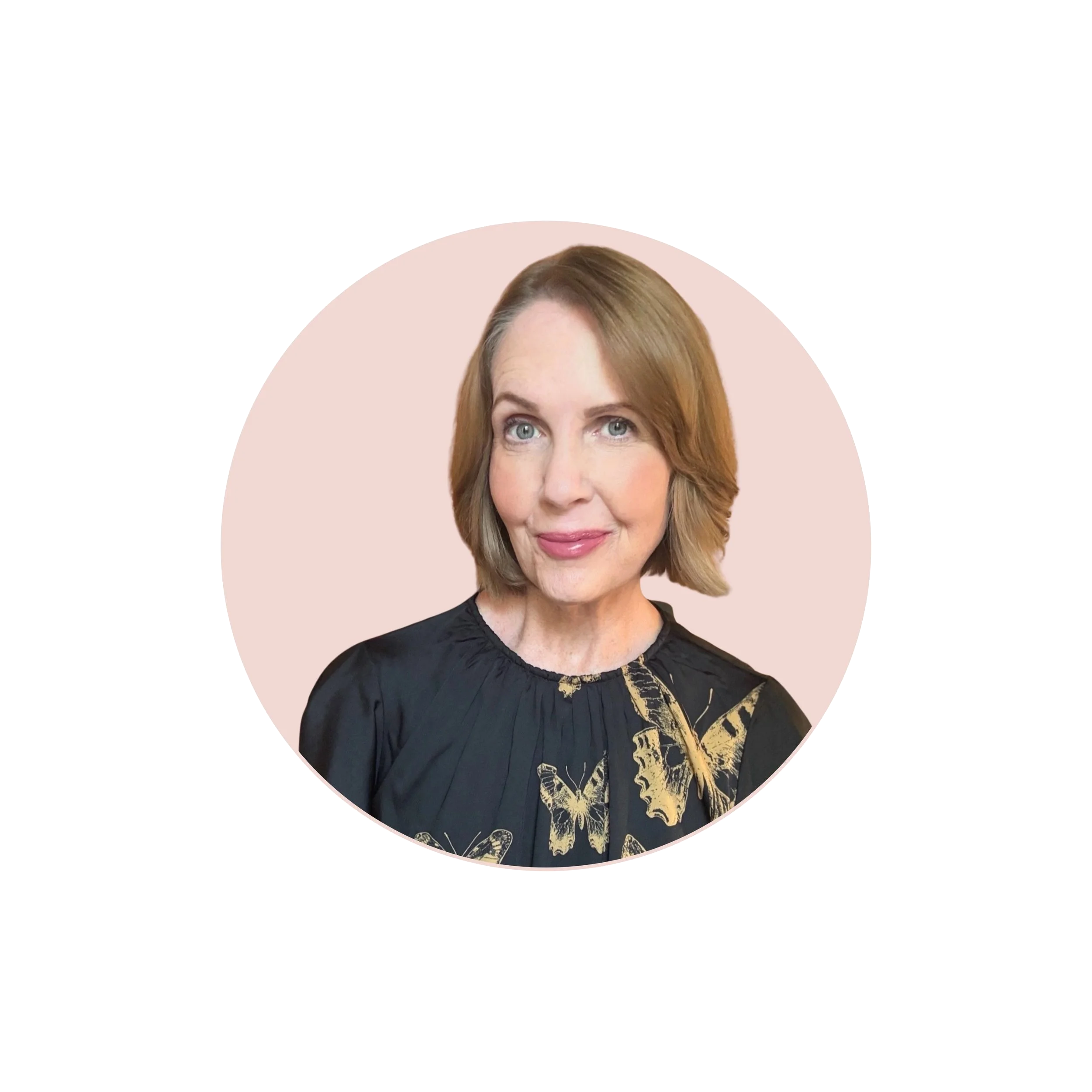
Hey, there! I’m Lori, the host of the To 50 and Beyond podcast.
Where aging and living alcohol-free are celebrated.
To 50 and Beyond is about self-discovery, living for today, and designing an alcohol-free life that alcohol can’t compete with.
I’m with you.
Did you enjoy the episode?
If you found this episode helpful, I’d love it if you’d take a minute to leave a review on Apple Podcasts.
Your review is greatly appreciated and helps another woman who is searching for support in living alcohol-free later in life.
Make sure to follow along on Apple and Spotify so you can listen to new episodes coming your way.
Thank you! ✌🏻
.
Another way to share support for me and the podcast.