The Benefits of Going “All In”
episode #317
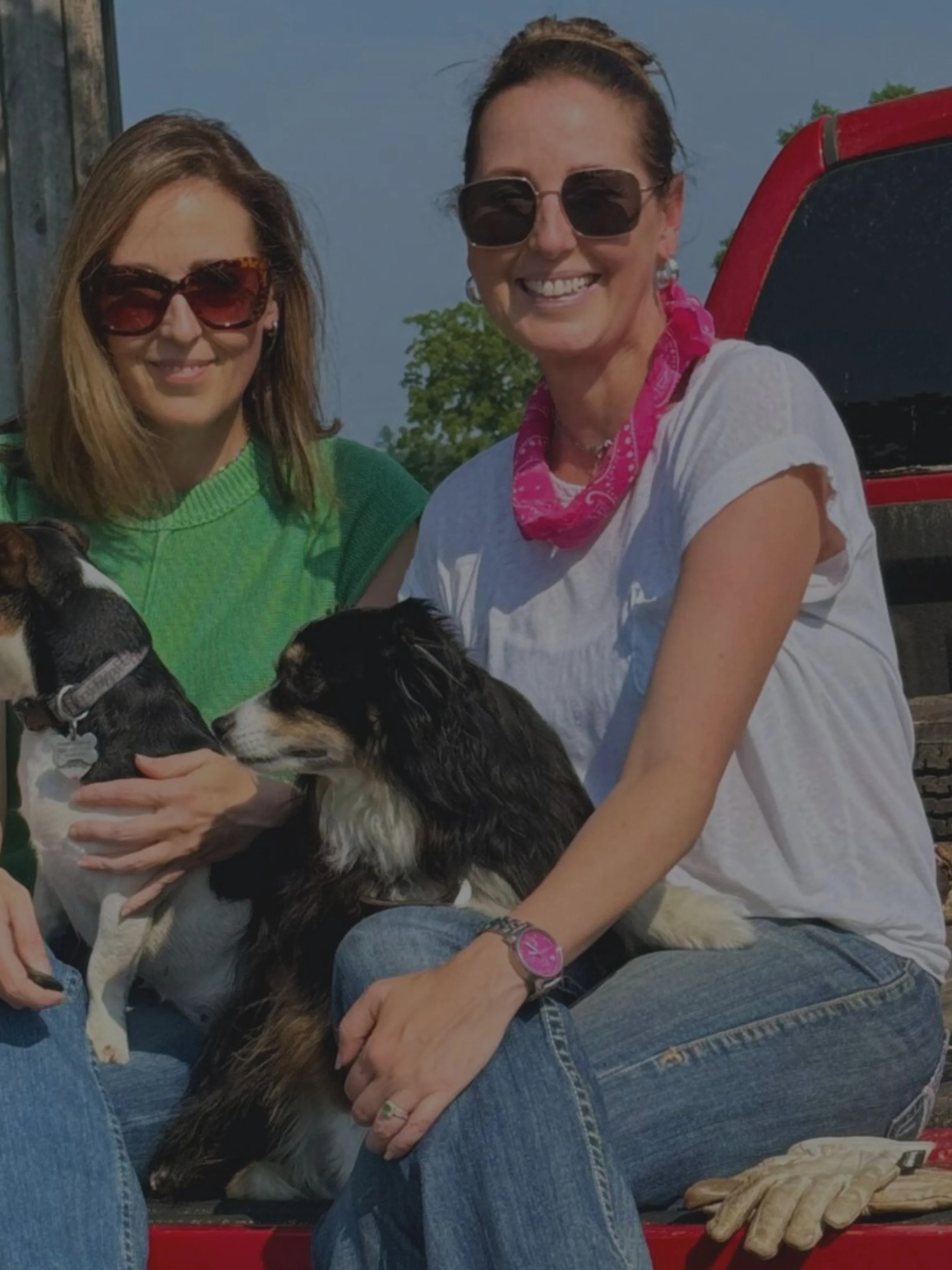
In this episode, I talk with my friends, Anne and Leigh Walkup about commitment to sobriety. Together, we are exploring the question "Are you ready to go 'all in' on sobriety?" And what does going "all in" really mean?
I invited Anne and Leigh back to the podcast to explore these questions and discuss the transformative benefits that come from fully committing to an alcohol-free lifestyle.
While making this commitment isn't easy, as you'll hear in this episode, staying stuck in indecision can be even harder. The sisters share how their journey from moderation to full commitment opened doors they never expected.
Throughout the conversation, Anne and Leigh share how their commitment to sobriety has transformed their lives in powerful ways:
No more mental energy wasted on alcohol decisions
Enhanced physical well-being and restful sleep
Sharper focus and mental clarity
Accelerated professional growth
More authentic and meaningful relationships
A richer, more present way of living
Key topics we discuss:
The sisters’ pivotal moment in June 2016 when they decided to stop drinking completely after attempting moderation
How a short-term break can lead to long-term freedom from alcohol
When their commitment “clicked” four months in
Establishing non-negotiables in early sobriety (avoiding bars, changing social circles, prioritizing morning routines)
The importance of allowing yourself to grieve alcohol and process those emotions
Creating new traditions and celebrations without alcohol
Navigating social situations and setting boundaries with friends and family
The role of self-care and personal development in maintaining sobriety
Anne and Leigh Walkup are the creative forces behind The Southern Lady Cooks and Front Porch Life, a lifestyle brand and magazine celebrating Southern cooking and hospitality. Their authentic approach to Southern living has built a devoted following, combining traditional recipes with modern entertaining tips and family traditions.
Anne and Leigh’s story emphasizes that while deciding to stop drinking isn’t easy, the benefits of full commitment to sobriety far outweigh the temporary discomfort of change.
Mentioned in this episode:
Leigh and Anne’s past episodes:
Messing Up: How to Handle It
-
Hey there. Welcome to To 50 and beyond. I am Lori. I am your host. This is where we talk about living alcohol free later in life. I have two of my favorite people on the planet here with me today. Anne and Leigh Walkup. They are the owners and creators of the Southern lady cooks and front porch life magazine.
I want to welcome you back to the podcast. Hello. You are my most recurring guests. When we have conversations and you guys come to the podcast, I always hear from women who have listened and like, I love the wall cup twins because you bring the honest, real stuff.
We try, we
try. I appreciate you so much.
And again, you've been here so often. I'm going to share your links to your past episodes here, where you talk about more of your story, but let's pretend like we've never talked about this before. Remind me of your sobriety date.
June 7th. Coming up on nine years.
June 7th. Okay. So that was what year?
2016.
Wow.
Wow. And I say date, not dates, because you both decided to stop drinking on that day, right? Yeah. Yeah. Remind us, was there a decision process leading up to this? Were you taking breaks, moderating, thinking about quitting drinking?
Yes. Yes, we had. We had done 30 days the year before. Of non, no drinking, and that's the first time we had ever done a true stint of not drinking since we started in our, you know, like 18.
And so, yeah, we did 30 days and of course went right back to it after that. And. Battle with the decision process, you know, we have to moderate, we have to moderate and just wasn't really able to accomplish that. So then, there wasn't a like, defining moment, like we didn't say, okay, this was a bottom or we had like some blowout of drinking, you know, we did drink a lot that night.
Yeah, but yeah, but then we just woke up and said, that's it. But we knew we had to do it together. There was no, we. Live together of the child and you know, our circle was the same, and if one of us didn't commit, it would've been much. We were really, really good at enabling each other. And I mean, we still in a positive or a negative.
Or a
negative,
you know? Yes. I mean,
was there one of you that was more on board with this or were you, do you think both of you were kind of on the same page? Same level? I think
it went back and forth, and that's what our relationship is. On any given day, you know, one of us is the strong one and one of us is the one, you know, and then it would go back and forth.
But I think this time we both were like, that's it. But then there was time, you know, there wasn't that we're never drinking again. It was, we're going to quit drinking. Yeah. There was no end point. There was no, yeah, this is final. It was right now. We're done. We're removing alcohol from our life, you know.
And there were certainly moments. You know, wavering of trying to, one of us saying, well, we made it 40 days, you know, we can celebrate with a beer or certain events that happened, you know, because there's no matter when you decide you're going to quit drinking, there will always be events that you're like, okay, I'll quit after this.
You know, I'll quit after this wedding. I'll quit. There's always a wedding. So there were certainly times that within that first year of sobriety that rose up where. You know, if I can get through this, then I can get through any.
Yeah, there's never going to be a perfect or right time.
Ever. No, no.
And you didn't start at the first of the month.
You didn't start in January.
Oh, no, just, just woke up incredibly hungover. It was horrible. Like I'll never forget it. I think I drank like 12 baroness and smoked two packs of cigarettes and I was in the fetal position on the couch. And I was like, if I can physically get myself off this couch, I will never have another drink as long as I live.
Like we have said that thousands of times in the 25 years of drinking, but yeah, and that was just it. And I mean, you know, I think the saying goes, you know, you just get sick and tired of being sick and tired. You know, that's where I was.
I can still picture that because you have shared that story of what was happening that day and being on the couch like that was what I was visualizing.
I can't remember, were you together in the same house? Yeah. And you are so good at holding each other accountable. You have a business together. I know how you work together and doing this and, and somebody listening, maybe thinking, well, they're, that's really easy for them because they have each other.
Right. Like it would be really great for me to have somebody like a twin sister to do this. Right. I mean, I did have my husband and I talk about that. He definitely helped a lot because he chose to really stop drinking as well. And it does help, but talk about the challenges. Cause even though we have that extra support, we are individual here and we're all learning to hold ourselves accountable.
So when things came up like an event or something that you would normally drink through a feeling and emotion, like what were your challenges in the beginning?
Oh, I mean, I, I mean, Lori, we've talked about this before and I'm sure I think on a previous podcast, but I mean, the biggest thing for me was when my college friends were coming in, it was the 60 day mark and I was, I'd never had a panic attack in my life, but I thought I was going to have one because this group of friends was completely about drinking.
I had never, ever been able to be around them and not drink. And there were plenty of times where I tried to, and I just. You know, I was just never able to do it. And so one of the, the things that I did, I have a friend that has been sober for like 30 years and I remember when I first met her, I thought she was nuts because who would ever not drink.
And then, so when this weekend was coming, I called her and I just said, I need you to walk me through this. I don't know how I'm going to get through it. So I do think that, you know, any type of support like you offer as far as like your groups, Listening to podcasts, you know, sober books, you need to reach out and utilize those types of tools that you have because it is a very lonely thing to go through, especially in today's world where alcohol is so prevalent and it's such a celebration that it is very, very hard.
And I think it's okay to mourn alcohol. You know, I don't think you have to fake it. I don't think you have to always. You know, if you have to go to an event where alcohol is prevalent, especially when you're first quitting drinking, you don't have to pretend to enjoy it. You know, if you're not having a good time, if you're not, it's okay.
You know, I mean, I don't like to be around drunks to this day, and I'm not going to act as if I do just to fit in. I don't enjoy it. I don't go to bars. You know, there's an event I have to go to and it happens to be at one that's different, but I'm not going to just subject myself to a situation I don't want to be in.
Yeah, I don't think you have to convince yourself this is fun. You know, there's moments when it's not going to be fun. It's hard, but once you get to the other side, the benefits. will start to weigh in. There will be much better benefits. And I think once you reach a certain point of quitting and get some distance, you can really reflect on the positive things that have happened.
Thank you for sharing that. Um, so many thoughts are coming up and we're going to talk more about like the benefits of like going all in and dedicating yourself to this. And I know that decision process, you said you took that first 30 days. What led you to that first 30 days? What was
happening? Drinking way too much.
I mean, it just, and it became a decision that we made every day. It took up so much brain space. I mean, you're constantly, every day, am I going to drink? Am I going to drink? Am I going to drink? And you know once you do, the day is done. Because you're just going to enjoy it. You're, you're, you're never going to get the day back on track.
I mean, you're not going to go run three miles after you've drank two or three beers. No, you're going to just say, forget it. You know, so, you're not going to mow the grass. You're not going to do the things that a normal person, and when I say normal, I use that term loosely, but You're not going to be a productive person in your life once you open that first beer, get that first glass of wine.
And Anna, it was becoming a constant. And it had never been a constant. Yes, drinking had always been a constant in our life, but not to that level. Because that's what happens. It starts out as something that's fun that you do with your friends when you're out. And then you start noticing that You would rather not go out.
You'd rather drink at home, because then you don't have to worry about how you're going to get home. You know, and just little things start changing, and then it becomes a full blown habit. I mean, I'm driving home from work at four in the afternoon, calling Anne, saying, should I get beer all the way home?
I'm thinking about it all the way home. And it just became out of control, and it wasn't that Anne and I were sitting around getting drunk every night, but we were drinking every day. Or that fission was there every day. We can do anything for 30 days. Can you challenge yourself for 30 days? Can you do it for 30 days?
And we had never done it, but then once we did it and they went right back to drinking, it was that 30 days that proved how good it felt not to be drinking. Yeah. I mean, just your body. And I mean, you might still want to be a part of it. You still want to be a part of the group, but just. The changes and how much better you felt taking the decision away.
There was no decision. You knew you weren't going to make that decision for 30 days. And that made all the difference. Just seeing. And
you give yourself proof and you cannot forget that. You just can't forget it. You can't unsee it. It's there. Yeah. It's there. And that's what carried you to that morning when you woke up and you went, okay.
We're done. It's such a good point because, you know, so many of us, when we're drinking, we think this is normal. I feel anxious or I feel tired. I feel unproductive, especially as we get older. This is part of the aging process. I couldn't decipher when I was drinking. I didn't know the difference until I stopped drinking.
So when you take that first break and you see, okay, there is a difference. And for whatever reason, maybe it's the 30 days I did that. two Januaries before I stopped drinking. Like, that in my mind was I was trying to prove to myself I didn't have a problem, but I could take 30 days off, right? And so I gave myself the ticket on February 1st to go back to drinking, right?
But I could not forget. What those two stints did and how I felt during that time. You can use going all in on a short term break to help you move forward into more of a long term. Because the whole purpose of this podcast is a reminder that it does take dedication. If you are wanting to live an alcohol free lifestyle, what comes first?
Is it the commitment?
Right. Yes. I think it is. Yeah. I think it is. I think so, definitely.
What, what were you committing to in the beginning?
For me, it was just the entire health, the health part of removing something that you are poisoning yourself with every day and like are doing it willingly. You know, I mean you're willingly doing it and the decision fatigue.
I was just like committing to let's get rid of that. Don't forget the exhaustion and how encompassing alcohol is. It's not just the time that you're sitting around drinking. It's so much more than that. It's the the mental aspect of thinking about it before you ever even drink it, you know, and then the next morning thinking about what you did the night before, like it just becomes your entire thought process.
Alcohol. Yes. I was just like, exhausted. Like Anne said, the health benefits and just committing to just never ever picking up another beer again. Like, never ever focusing on alcohol again. That was the biggest commitment.
Just that question, like you Colleen, and like, If you put it out there, then of course you're going to be thinking about it.
You can't forget that either. Like if I had said, you know, to Bill, I would just try so hard not to drink on Sundays. Cause that was my biggest drinking day. I had the Sunday scary. Like I would say to Bill, like, don't let me drink. We're not drinking. And then it would be opening up the question. Well, what if I just got one or, you know, do you think I should just have one?
And then it's just like, that just takes over. And it's like, go get me. Yes. Like just get it. Like I cannot stop it. So. The difference of commitment when you're taking it off the table is definitely, I always say that like as a visual, it's on the table and then it's off the table. So you're looking at a table, it's like, okay, what else can I do for myself?
Were you both, tell us about your commitment and follow through at that point in your life in 2016. How old were you then?
Thirty eight. Thirty eight. We were pretty disciplined on a lot of things, very disciplined on work. Nothing like, alcohol didn't ever keep us from going to work or being productive in that way, never, like, not taking care of, you know, as many people listen to this podcast, Lelena, our horses, things like that, but it was also an outlet to ignore other things, like, to get to the next level, like, it would take that away, like, the daily stuff would get done, but the drive to hit a new level, that was not there, that was completely gone, it was taken, alcohol replaced that completely.
We always had, I know that we've always had a vision of how, you know, what we wanted to be and how we saw ourselves. Like, I've talked about this before, like, you know, I always wanted to see myself as, like, this very fit, healthy person that got up every Sunday and ran six miles and, you know, did these types of things and alcohol takes that away.
It does. It just, that, that's what it took away. And I mean, even though I knew I was disciplined enough to do it, but I wasn't disciplined enough to do it without
it. It's hard. And especially as you get older and especially when you're in that place where you just know this isn't right for me, this really isn't what I want to do or how I want to live my life.
And then we do that, you know, quick release, I want it, you know, I deserve it, whatever it is. And that continues, that loop continues until you no longer give yourself an option of drinking alcohol.
One thing too, like I was thinking about this yesterday, That as an adult, it's almost like you have to decipher between a want and a need.
And a grown up should be able to do that. Like a child will not, you know, they, what they want, they want it, they want it, they don't understand the need. But an adult should be able to decipher between what something, what you want and what you need. And when you're drinking, you can't. Like you can't, like when you're drinking, like you just said, I'm not going to drink on Sunday.
I don't need to drink on Sunday, but then you want it. And so you've let the want take over instead of the needs. That's what, like stopping drinking for me is like I was able to listen to what I needed and let go of the voice of what I wanted. Needed that. Needed the positive things. Needed to be a productive person in the mornings.
You know, needed it. Like, my morning is my favorite thing now. I never once got up and drank coffee before I started my day. And enjoyed my morning. No, it was hitting the alarm until the last possible second. Getting up, looking half ass, you know, did not care, you know, because I'm just getting through the day, now I get up two hours before I start my day, enjoy my coffee, journal, all the things that set you up for a productive day when you're not battling the question, am I going to drink today?
Or why did I drink last night? You never get off the, the, the hamster wheel. I mean, it just, it never stops. It never stops. It's so exhausting.
The benefit of commitment is really dedicating that time every single day to finding what helps you stay alcohol free, of course, because alcohol is no longer an option.
It takes away the decision fatigue, am I drinking or not drinking? You actually have space to think about other things and become the solution. If you hadn't stopped drinking that day, what would the next 24 hours look like? Or the next week? Or the next 30 days? What would you have been putting off?
Oh my gosh.
I think about how much our life has changed since we quit drinking. Honestly, like so many days of before we quit were just a blur. It's the same thing over and over. You're just creating the same thing. I mean, it's the same drinking partners, the same conversations. So, it's just so nice to be free of all that, you know.
I feel like life is much simpler without alcohol. Oh my gosh. Oh my gosh. It's simpler.
When you went all in and you said we're not drinking anymore. This is going to be a lifestyle for us What was the level like at a hundred percent of commitment? Where were you at that stage
four months? Yeah, so like my man.
I was like, I know I'd have no desire to ever drink Four months 120 days. I remember when we hit four months That we, I just was like, I can't imagine going back. Like, it's like we had gotten so far. It's like, I will not go back and then be like, okay, well, you know, I'm starting again. Even though I don't think you fully start again because you have so much knowledge of how you felt.
But for me, it was just like, we've got so much behind, you know, behind us now. And I'm not willing to give that up. And then Lee got married right at, I got married on the 6th of June, 2017. And the next day was our year, our full year. And everybody at the wedding were like, you know, do you want to toast with champagne?
And I was like, you are out of your mind that the next day is a year for me. And I got up and ran two miles on the beach. That, you know, cause it was just never a thought for me. I was like, no. And I mean, I was actually like, I mean, don't get me wrong. I loved my wedding day. You like, I had a great wedding day and, and it was beautiful.
But the next day, me and you and Phillip, my husband, we all went and ran two miles. On the beach with, I was just like floating, so happy to hit that year mark and just, it felt incredible. I mean, incredible. I just wish that for everybody that battles with that decision because when you go all in on that commitment and you get some distance, just allow yourself the distance, you will see how different it feels not to be ingrained with alcohol and the decision about alcohol every day.
Yeah, and the confidence it gives you in all other aspects of your life.
Everybody deserves that opportunity. Yes. Did you have thoughts of romanticizing alcohol and thinking about it? Questioning your decision? Did you ever question it?
I think that there were plenty of times where the, the thought comes up where it was like, oh, it would be nice to have a beer right now.
But. I never thought about doing it, you know, and I just think that that's part of the commitment, that commitment, and also, you know, a habit that's been ingrained in you and so long, because Anna, like, where a lot of people would, like, drink for, you know, when they had a horrible day, like, Anna or always, if we had a great day, you know, we're bouncing off the walls, we're like, Oh my gosh, let's drink, let's drink.
And so you feel that high. And so there have been certain times where we've done something, we've, you know, hit a high mark with business or something, or with the horses, and you're like, Immediately bouncing off the walls and the first thought for a long time for a very long time was man, you know This is what we do here.
I mean immediately we hit me like this is when I would be, you know But then I never thought about getting I mean then immediately I would be thankful and I immediately say to myself. I'm so thankful I'm not there But in the moment of this and like experience it, and even if they're devastating things, we've certainly been through plenty of devastating things since we quit drinking.
And it would have been perfectly acceptable during those moments to be like, get, you know, I'm having a beer. I'm getting, you know, I'm getting drunk or I'm going to do this. And, and every time I've never thought that that would, I now know that would never make anything better. You know. Because that was our go to, you think it's going to make it better, you know, like if I can just get a beer or I just get a drink, this will all go away.
This will be so much. No, it doesn't. It compounds it and makes it 10 times worse. I think I read yesterday, Joe Walsh, I saw an interview with him and they asked him, you know, he's sober and they said, Alcohol helps the problem until it becomes the problem. Yeah, I like that. And that's so true. So many people start drinking to fit in, or they're shy, and it helps them.
That's, you know, and, you know, many people rely on it, rely on it to solve a problem and then they don't realize that as you continue down that road, it becomes the problem. Absolutely.
Absolutely. So many of us like you guys, you were 18 and I was 14 and I've heard from women who are 13 and a lot of us started drinking and made the decision to drink.
in our teens.
Yeah, yeah. I
think about that so often I'd go back and go okay, why did you not revisit this even in your 20s? I mean in my 20s I was drinking so much. I mean that's when I don't, you know, I had fun in my 20s. Then as it got into the 30s and the 40s it was darker and I just never Thought that I would be somebody who would ever not drink and I didn't realize what a problem it had become in my life Until I stopped drinking and it's just never too late to do it but man We make these choices when we're in a different place and then we start to realize over time how that changes and evolves and the same thing can be said about committing to Sobriety and going all in and you're making that choice now, but that's going to grow and evolve over time.
You know, maybe you're making the choice. Like, like you guys said, you know, for health or maybe you're making it for somebody else. I talked about this in last week's episode about your why that's going to grow over time. We end up staying sober for the same reasons we used to drink. Like there's nothing that is worth it.
And we realize that, but again, like you're saying, time and giving yourself space from it so you can clear your head and make better choices for yourself.
Now that I'm on the other side of it, it's like, why not? You know, why not give yourself a 90 day break and see how you feel? I mean, if it doesn't have a hold on you, it shouldn't be hard.
And if it is hard, then maybe you're valuing why it's hard. You know, why have you come to rely on this? You know, I mean, so, and that was the thing for me. We have become to rely on it. In so many ways and it's just so important to just take the step back, you know, I mean they're not being bad I was so mad.
I couldn't listen to certain music I mean that was something that just tore me up because I was just like you love music in certain ways And now it's funny because all the songs I listened to revolve around drinking all of them. I mean And I love them because I live that life. I'm not missing out. I don't feel like I, I lived it.
I know what that's about. I can enjoy the music now and not think one thing. And not be mad. No. I will not be mad at all. I get that. But in the beginning you couldn't listen to it. It's hard.
Yeah. I couldn't listen to The Counting Crows because that's when I would do my sad drinking and listen to my favorite band.
I couldn't listen to them until my one year anniversary when I went and saw them live. Nor could I watch The Real Housewives of Orange County with Heather Dubrow and her bottle of Champs. Yeah. Yeah. There are certain things we have to do for ourselves in the beginning, and tell me the one thing that you did for yourself each day in the beginning, that non negotiable.
We were really active. I mean, for us, it was like, if Anna thought about, like, we were afternoon drinkers. Like, it was a big thing for us to start. We would drink at like four or five in the afternoon, you know, when the day started winding down. So the non negotiable with us, it was like, anytime we got to that, it was like.
Go for a walk and where we live, you know, like we live out in the country, you'd have to drive somewhere to go walk. So, I mean, I'm going to tell you, we burn up the road walking. I mean, there, I think there was one day and I walked like 12 miles. Yeah, just out walking, talking, visualizing, trying to get back into like manifestation mode.
Just rewiring your brain, just spent so much time working on thinking about other things.
It's more than the commitment to not drink, it's committing to doing something that is going to help you during those times of day when it's like, this is when I would normally drink. Like, this is when my hour is and, you know, we just talked about that on a community meeting this morning, that 3 p.
m. time for a lot of women, um, but being proactive and knowing that because you guys weren't exercising, like, uh, uh, consistently before you stopped drinking.
Yeah, nothing like we were once we quit. I mean, once we quit, it was just kind of like that we went all in on that, really. It changed a lot. And that also, I mean, we bought tons of books about People that have quit drinking.
I mean, Blackout, to me, was very, very eye opening, that book. Yeah, because there were many nights that I drank and didn't remember a lot of the things. And when you think about it, your brain just stopped recording it. Because it could no longer function correctly. It's like, why are you doing this? Why are you Deliberately doing this to yourself.
So, yeah, that was very important. Following people like you on social media. I mean, finding your account. Just putting the positive things in front of you.
Yeah, I was on social media back then. That's a trip to even think about that. Yeah, when you were talking, I was thinking because I know you've talked about that book Blackout before and I will link it in the show notes.
Also, when you stopped drinking, were you aware of all the people And like on Instagram and the books and everything. Were you aware of it at that time? All the information that was available? No rabbit hole.
Yes. Yep. It became a complete, like, that was our thing. Like we only knew one other person that, you know, had quit, that, you know, was actively not drinking and I mean, she's huge in the AA.
But we never went to an AA meeting or anything. And so, we, when we got, it's really, like, dedicated ourselves, like, we went down the Instagram haul, and books, and just, online community, and just really tried to just have that type of support. Because it really means a lot when you can find other people that live the same kind of life that you did.
But now they're thriving in their business or their everyday life. That's very motivating, you know, that's why I think like your alcohol free community, I mean, like, you know, that wasn't available then, but it would have been. Yeah. Hugely, because you can talk to women that are going through the same thing, but they're, the support is there.
Yeah. Completely.
It, it's really important. You know, me back in 2013, I would have been scared to death to join something like that, an online community or anything like that. And so we got to do what works best for us, but I'm just loving that you guys were able to find what you needed at that time, because that's when we start searching, right?
And it led. Yes. you to me and now we have this great friendship and we meet twice a month to discuss life and you know, all the fun stuff. I love you all so much. I'm just, I'm really thankful for Instagram. Before we wrap this up, I want to ask you, for anybody who is at that crossroads, the, the woman who is there and she's really putting a lot of effort into moderating and she knows that it's just not working for her.
Do you have a kind, compassionate note that you can give her or a question she could ask
herself? I would say, love yourself enough to give yourself the time to quit drinking. Stop trying to moderate. Cause if it's not working, it's not working for a reason. Just allow yourself the time. I mean, just say, I'm going to give myself the time and I'm going to quit drinking.
I mean, none of us, the three of us, none of us did it and just said, I'm never drinking again. Just love yourself enough to say, I don't need alcohol. I'm going to quit for now. Yeah, quit for now. I think too, is be kind to yourself. I remember when I first was trying to moderate sitting in my car crying because I couldn't do it and I felt like such a failure, but understand that you can release the power that alcohol has over you, but in order to do that, you have to quit.
You know, you can't just half ass it. And I'm not saying you have to quit forever, but love yourself, like Anne said, love yourself enough to say, I'm gonna give myself 45 days. And then I'll reevaluate in 45 days. Because trust me, anybody can do anything for 45 days. So, Tim, like I said, be kind to yourself, but if alcohol is causing a problem in your life, fix it.
Remove it. Remove it. Like we talked about before the call, you know, you don't have to remove it and then start running every day and eat green juice for breakfast and add 9, 000 other things to the list to change. Just Make the one change, and the other changes will come in time. Exactly. Yeah.
Yeah.
Definitely. Cause it is such a ripple effect in a good way. I mean, you know, when we drink, there's a ripple effect in a negative way for most of us. And then when we stop, then there is a ripple effect in a positive way. And in the beginning it's, please don't drink. I choose myself today. This is the reason why it is my why power.
Please don't drink. And then when you get to another point, you can take something else on, but you know, switching out that. time of day with exercise. That's my number one tip to anybody. When you have anxiety or you're having drinking thoughts, move your body. You don't have to go out and run five miles.
Get up and turn some music on, dance, jump around, walk, anything like that. Because it helps so much and clean out something. I mean, honestly, it's like cleaning and organizing. This was a great conversation. I thank you both for being here. Talk about. The cookbook, the magazine, tell us where we can find it and what's happening, what's coming up for you.
Our magazine is Front Porch Live Magazine. We have a digital subscription. It's a quarterly publication and our spring issue will be coming out in April. So we do a spring, summer, fall, and winter. And it's basically a lifestyle publication that's all about Empowering Women. It's about women that are creating their own businesses, um, designing their own homes, creating food for their family.
So it's basically a empowering lifestyle publication. And then our cooking website is The Saturday Cooks, where we have 1700 southern recipes. We cook all the time and we just put out our, our first printed cookbook and you can find all the information on the website. Yeah. It's beautiful. It's beautiful.
You
do. You empower the women that you share their stories. It's so beautiful the way that you do that. And you've shared my story there before. I mean, it, it really is, it's something that you both I know are proud of and you should be proud of.
Thank you. Thank
you. And I know how much work you put into it.
Yeah. I know. Thank you so much. I'll see you again next time.
Thank you, Lori. Thank you.
Thank you so much for listening today. If you want to go and check out Ann and Lee's website, I'm going to link it in the show notes. I appreciate you for being here. If you like this episode, please consider leaving a positive rating and review either on iTunes or Spotify.
I will be back with you next week. Take care of yourself this week, my friend. Peace.

Hey, there! I’m Lori, the host of the To 50 and Beyond podcast.
Where aging and living alcohol-free are celebrated.
To 50 and Beyond is about self-discovery, living for today, and designing an alcohol-free life that alcohol can’t compete with.
I’m with you.
Did you enjoy the episode?
If you found this episode helpful, I’d love it if you’d take a minute to leave a review on Apple Podcasts.
Your review is greatly appreciated and helps another woman who is searching for support in living alcohol-free later in life.
Make sure to follow along on Apple and Spotify so you can listen to new episodes coming your way.
Thank you! ✌🏻
.
Another way to share support for me and the podcast.